Proforma Battlefield Advertising offers, decorates and ships promotional products for trade shows, onboarding kits, giveaways and everyday brand visibility. Powered by Proforma's comprehensive supplier network.
Branded merchandise encompasses the everyday items businesses put their name on: pens, notebooks, drinkware, bags, tech accessories, and more. What separates memorable, frequently used merchandise from items that quickly get tossed aside is a combination of product quality, decoration quality, and selecting products that genuinely resonate with the target audience.
Through our trusted network of vetted suppliers, Proforma Battlefield Advertising offers access to thousands of branded merchandise options across virtually every category and budget. From trade show giveaways and employee onboarding kits to custom retail merchandise programs, clients benefit from a streamlined procurement process managed through a single point of contact alongside their other branding and marketing projects.
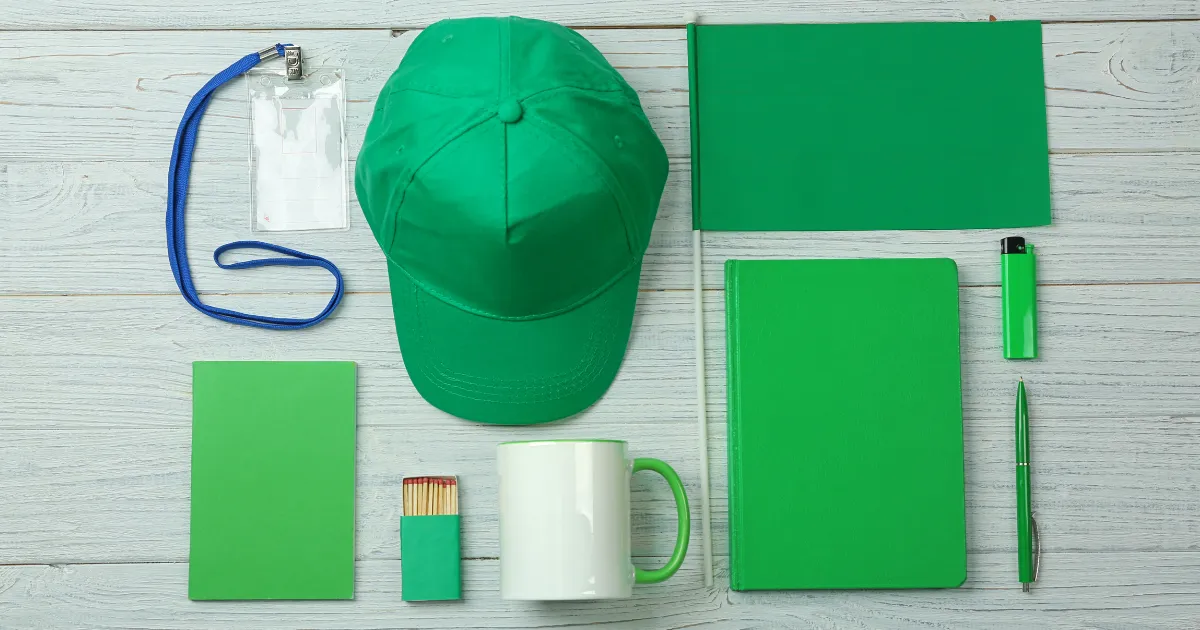
Insulated tumblers, mugs, water bottles and travel cups, consistently among the most-used promotional items.
Tote bags, backpacks, drawstring bags and laptop bags for events, onboarding kits and retail.
Power banks, wireless chargers, charging cables, earbuds and laptop sleeves for office and remote staff.
Pens, notebooks and desk accessories, often the lowest-cost item in a kit and the most widely distributed.
A trade show giveaway, an onboarding kit, a retail item and a client gift all call for different products and price points, so we start with how the merchandise will be used.
We select products that align with your budget and recommend an appropriate decoration method based on the product and your logo, whether that's screen printing, embroidery, or another option.
Before production, you receive a mockup showing the logo placement, colours and decoration method on the actual product.
Approved orders move into production with a vetted decorator and ship to your office, an event, or into fulfillment for staged distribution.
The right decoration method depends on the product, the logo, and how many colours need to be reproduced. Proforma Battlefield recommends a method based on the product you choose, but the most common options are:
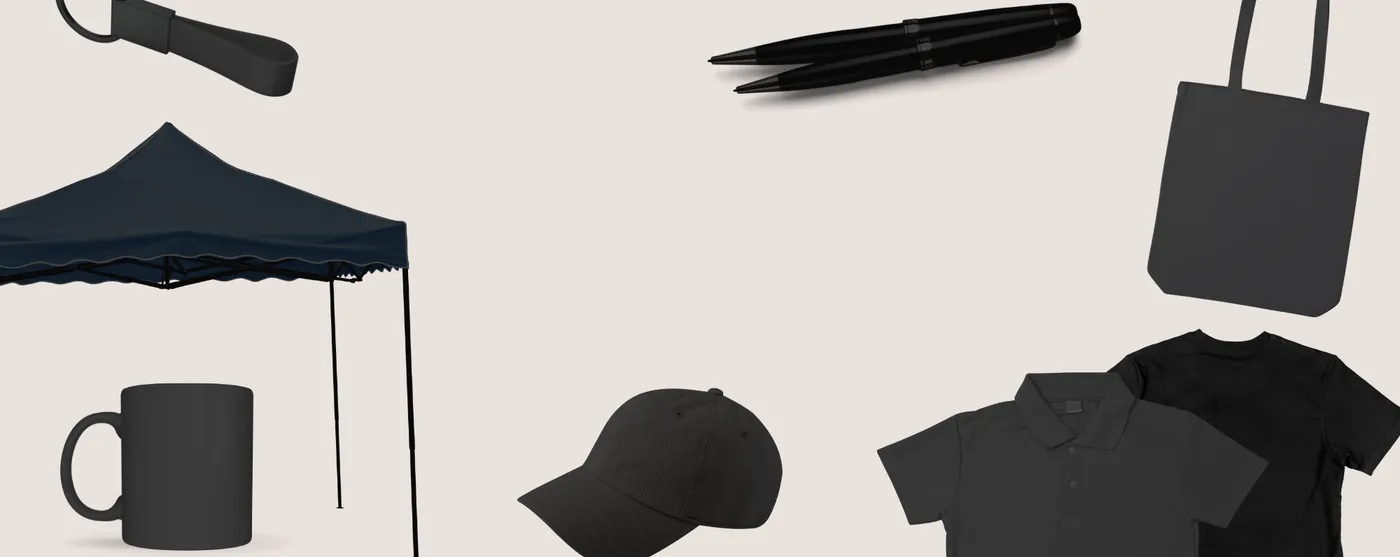
Many businesses end up working with several different merchandise suppliers over time, one for apparel, another for drinkware, another for trade show giveaways, each with its own ordering process, minimums and timelines. That works until an order needs to combine products from more than one category, or a reorder needs to match a previous run exactly and nobody can find the original specs.
Sourcing merchandise through Proforma Battlefield keeps a record of what was ordered, the decoration specs used, and the supplier for each product, so reorders match previous runs and new categories can be added to an existing program without starting from scratch. This matters most for businesses that order merchandise more than once a year, such as recurring onboarding kits, annual trade show inventory or seasonal giveaways.
Trade shows and events use merchandise as booth giveaways that keep your brand visible after the show ends.
Onboarding kits pair merchandise with apparel and printed materials to welcome new hires consistently.
Retail and storefronts sell or give away branded merchandise as an additional revenue or loyalty touchpoint.
Everyday brand visibility comes from giving staff and clients useful items they keep on their desks and in their bags.